
Gay Kinks Explained: What They Are and How to Talk About Them
You find a uniform hot. A guy says he is into power play. Someone else calls a particular material a fetish. Are those all “gay kinks”? Sometimes, yes—but the labels tell you less than the actual interest does.
A kink is a sexual interest that feels outside someone's usual idea of conventional sex. It might stay in your head, become part of a conversation, or be something you try with another consenting adult. Being gay doesn't make a person kinky, and liking one thing doesn't tell anyone what else you want. The useful question isn't Which label am I? It's What, exactly, appeals to me—and what would I want to do, if anything?
Kink, fantasy, fetish: what is the difference?
People use these words loosely. They overlap, and you don't need a diagnosis—or a new identity—to describe a turn-on. Here's a working distinction that helps in an actual conversation:
| Word | Useful everyday meaning | Example |
|---|---|---|
| Fantasy | An imagined scene or possibility. You may never want to act on it. | Thinking about a commanding athlete. |
| Kink | An interest in a particular dynamic, sensation, scenario, or practice. | Enjoying a consensual power exchange. |
| Fetish | Often, a strong focus on a specific object, material, or body feature. In ordinary speech, people also use it more broadly. | Being especially drawn to a certain type of uniform or fabric. |
One interest can fit more than one row. A uniform can be part of a fantasy, a roleplay kink, or a material-focused fetish. Be wary of anyone drawing a hard line that says a fetish must be essential to arousal. Real people don't use these words that neatly, and a fetish does not automatically mean someone cannot enjoy sex without it.
If what you're trying to understand is the imagined scene rather than an interest you want to discuss or practice, our article on men's sexual fantasies goes further into that distinction.
What can a gay kink look like?
There is no official list of “gay kinks.” These interests aren't exclusive to gay men. But in queer spaces, the people, roles, body language, and assumptions around them can change what the same scene means. A few recognizable examples make the point better than a hundred-item glossary:
- Power and roles: One person likes directing a scene; the other likes handing over a defined amount of control. That says nothing about who either person is outside that scene. Being a top or a bottom, by itself, isn't a kink or a personality test.
- Uniforms and characters: The attraction may be the look, the imagined role, or the feeling of stepping outside your everyday self. A firefighter fantasy doesn't give anyone real-world authority over a partner.
- Materials, features, and sensations: Leather, a particular body detail, pressure, texture, or restraint may be the focus. These are different interests with different practical considerations; “kinky” isn't enough information to know what someone wants.
- Watching or being watched: The appeal might be attention or display. In real life, everyone who can see or be seen must knowingly agree. Uninvolved bystanders don't become participants just because someone likes the idea.
Notice what this list cannot tell you: which interests are most common among gay men, what caused yours, or whether a person wants to try one. Don't infer any of that from a profile label or from their sexuality.
Does a kink say something deeper about you?
Sometimes a person connects an interest to identity, community, or a way of feeling desired. Sometimes they just like the look of a pair of boots. You don't need to assign a hidden meaning to either answer.
Nor is an unusual interest, on its own, a mental disorder. The American Psychiatric Association distinguishes atypical sexual interests from disorders involving personal distress or harm to others. That clinical distinction is not a blanket endorsement of every possible behavior: consent, risk, and the people affected still matter.
For trans people, don't assume that a kink explains someone's gender or that a particular body word feels right to them. Ask which terms they use, which parts of their body are welcome in a conversation, and what stays off-limits. The same courtesy applies to anyone, but it matters especially when a careless assumption can make a scene feel alienating instead of wanted.
How do you bring it up without guessing?
“I'm into kink” is an opening, not a plan. Before an activity, get past the label. Try: “I like the idea of a uniform and a little roleplay. Is the appeal the outfit, the character, the power dynamic—or something else? What would you actually be comfortable trying?” A person can say yes to the outfit and no to being ordered around. Those are separate decisions.
| Ask this | Why it matters |
|---|---|
| “What part of this interests you?” | Separates the real turn-on from the vague label. |
| “What is in, and what is out?” | Makes boundaries specific rather than assuming shared definitions. |
| “What words or ways of touching don't work for you?” | Respects body language, identity, and personal limits. |
| “How will we pause or stop?” | Gives either person a clear way to change their mind in the moment. |
This isn't just etiquette. A study of 350 gay, bisexual, and other men who have sex with men examined how sexual roles, power, and social scripts can complicate consent conversations. Its sample doesn't describe every queer encounter; it does underline why “you know what I mean” is a poor substitute for asking. The National Coalition for Sexual Freedom's consent resources offer more detailed negotiation tools for people interested in kink.
What if you want to explore it in real life?
First, decide whether you want to. A fantasy doesn't become an assignment. You can like an idea, keep it private, change your mind, or decide that its real-life version isn't for you.
If another person is involved, agree on the specific activity, boundaries, and a way to stop before starting. Check in if something changes. Consent to one element is not consent to the next, and anyone can withdraw it. Where there are physical risks, learn about that particular activity from an appropriate specialist source; a general guide like this cannot make a technique risk-free.
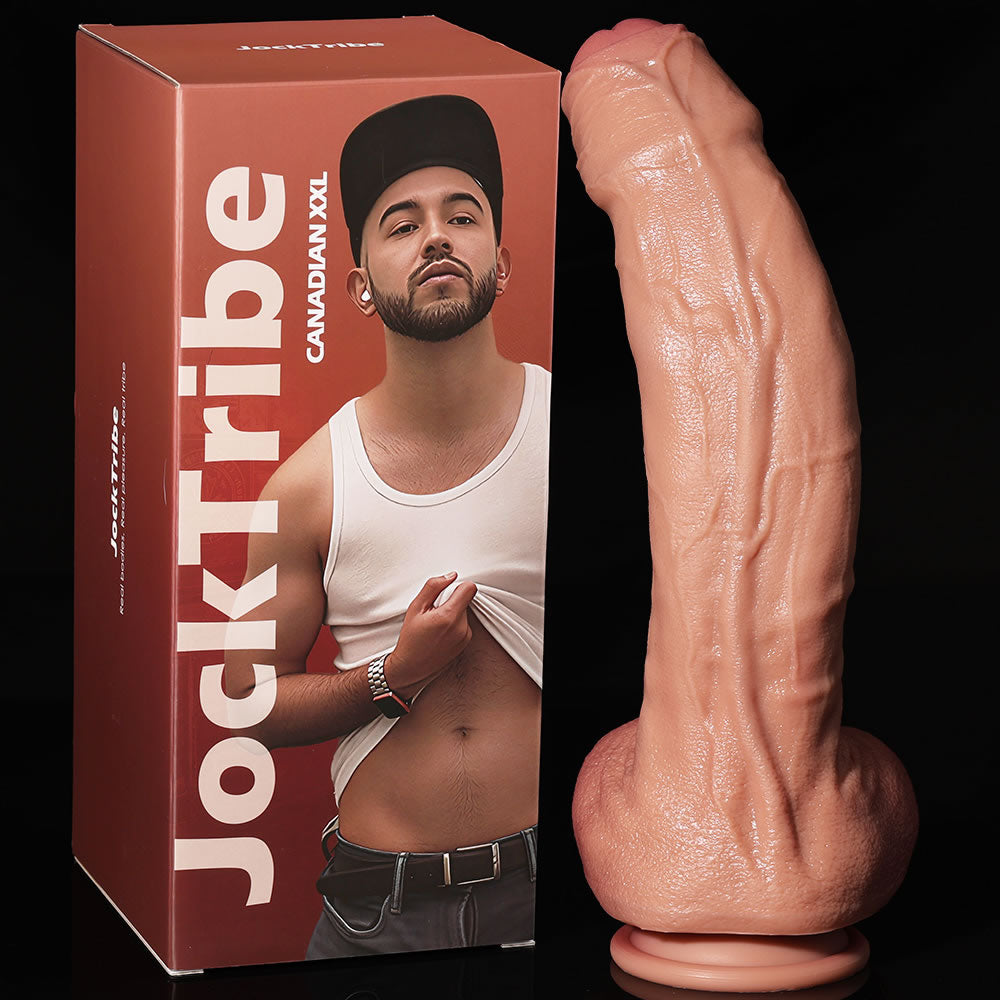
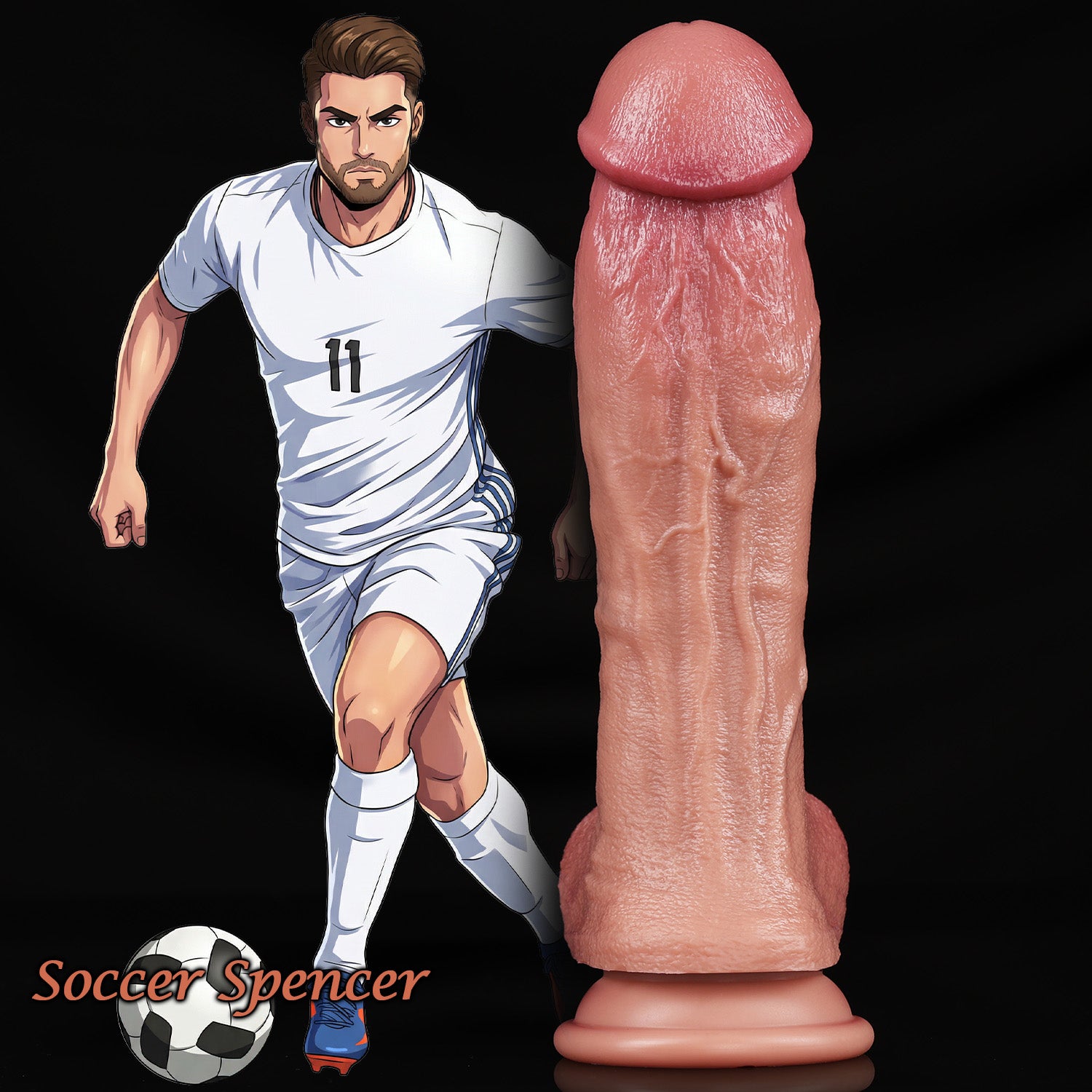
Some interests don't require a partner or a scene. A character, a look, or a realistic body design may simply give your imagination somewhere to go. That's part of why JockTribe makes fantasy-driven realistic dildos, including original characters and separate official creator replicas. A product can reflect an interest; it can't decide your limits or do the talking for you. If the design and practical fit matter to you, our guide to choosing a dildo for men is a more useful next step than buying something just because it carries a kink label.
A few questions worth answering
Do all gay men have kinks?
No. Sexual orientation tells you who someone may be attracted to, not which roles, materials, or activities interest them.
Do I need to act on a kink to know it's real?
No. An interest can remain in fantasy. You don't owe anyone a demonstration, and deciding not to act can be a clear choice, not a failure of confidence.
What if my partner isn't interested?
Take the no as an answer. You can talk about what each of you does enjoy, but negotiation isn't a way to wear someone down. If an interest matters deeply and your limits don't match, that's a compatibility conversation—not a consent problem to solve by pushing harder.
A kink label might help you find the words. The words are only useful if they let you be more precise about desire, limits, and the person in front of you. Start there.