
Overstimulation in Sex: What It Feels Like, Why It Happens, and How to Control Pleasure Safely
There’s a moment during intense pleasure when everything shifts. One second you’re riding a wave of sensation that feels incredible—the next, your body is telling you it’s too much. Your muscles tense. You pull back instinctively. What felt like pure joy shifts to discomfort.
If you’ve experienced this, you’ve encountered overstimulation in sex—and you’re far from alone.
Many men explore their bodies through anal play and prostate stimulation. This experience is common, but it's rarely talked about openly. We talk plenty about chasing pleasure, finding the right angles, and discovering new sensations. But what happens when pleasure becomes too intense? When your nerve endings light up so fiercely that you need everything to stop?
Understanding male overstimulation isn’t about limiting your pleasure—it’s about expanding it. When you know what’s happening in your body and why, you gain control. You learn to find the balance between intensity and overwhelm. You stay in the zone where sensations feel strong, not punishing.
This guide explains what overstimulation is, why it occurs, and how to manage it. This way, you can explore with confidence and comfort.
What Is Overstimulation? (Understanding the Sensation)
So what is overstimulation, really? At its core, it’s your nervous system hitting a threshold—a point where sensory input exceeds what your body can comfortably process.
Think of your nerve endings like volume controls. During sexual stimulation, you’re turning that dial up—more sensation, more pleasure, more intensity. That’s the whole point. But every system has a limit. Push past it, and the signal distorts. What registered as “incredible” starts reading as “too much.”
The overstimulating meaning in a sexual context is specifically about this pleasure-to-discomfort transition. Your body isn’t broken or doing something wrong. It works just as it should. It helps protect you from sensory overload by altering how those signals feel.
This happens because of how nerve sensitivity works during arousal. When you're aroused, blood flows more to sensitive areas. Nerve endings react more, and your body gets ready for pleasure. That heightened sensitivity is what makes everything feel so good. But it also means those same nerve endings can become saturated more quickly.
During intense stimulation—whether from a partner, a toy, or your own touch—those nerves fire rapidly and repeatedly. Eventually, they can become temporarily “exhausted” or hyper-reactive. The result? Sensations that felt amazing moments ago now feel sharp, uncomfortable, or even slightly painful.
This is particularly relevant for prostate stimulation and anal play, where the concentration of nerve endings is exceptionally high. The prostate has many nerve endings in a small space. That’s why stimulation there can feel intensely pleasurable. However, it can also lead to overstimulation more quickly than other types of touch.
Overstimulation vs Being Overwhelmed
It’s worth distinguishing between overstimulated vs overwhelmed, because they’re related but not identical experiences.
Sensory overload vs overstimulation comes down to this: overstimulation is primarily physical—your nerve endings reaching capacity. Being overwhelmed often includes an emotional or psychological component. You might feel overwhelmed by strong experiences, new sensations, or multiple inputs happening at once.
Physical overstimulation shows up as certain sensations in the body. You might feel tingling that turns uncomfortable, sensitivity that feels painful, or even numbness. Emotional overwhelm might show up as anxiety, the urge to disconnect, or feeling flooded by the intensity of intimacy itself.
Both are valid, both deserve attention, and both benefit from the same fundamental response: pause, breathe, and adjust.

What Does Overstimulation Feel Like During Sex?
What does overstimulation feel like in practice? The experience usually goes through clear stages. However, each person's body reacts a bit differently.
It often begins as heightened sensitivity—a tingling, electric quality to the touch that feels exciting and intense. This is the sweet spot, where stimulation registers as deeply pleasurable. Your body is responding enthusiastically, nerve endings are engaged, and everything feels amplified in the best way.
Then comes a shift. That pleasant intensity starts edging toward something sharper. The tingling might feel more like buzzing. Sensations that were building toward climax start to feel urgent in a different way—less “don’t stop” and more “I need a break.”
If stimulation continues past this point, discomfort sets in. This can manifest as:
- A sudden sensitivity where any touch feels like too much
- Sharp or stinging sensations replacing pleasurable ones
- An involuntary urge to pull away or close your legs
- Muscle tension or cramping in the pelvic area
- A feeling of rawness or soreness
- Temporary numbness, where you can barely feel anything at all
Post-climax is a particularly common time to feel overstimulated in sex. After orgasm, the body enters a refractory period where sensitivity skyrockets. Touch that felt perfect moments before can suddenly feel unbearable. This is completely normal—your nerve endings are essentially recalibrating.
Other common reactions are fatigue that feels heavier than usual post-sex tiredness. You might also feel irritable or need some space. Additionally, you may experience soreness in specific areas that can last for hours.
Recognizing these signals is the first step toward working with your body rather than against it. None of these responses means something is wrong—they’re your body communicating clearly about what it needs.
Why Male Overstimulation Happens More Than You Think
Male overstimulation is far more common than most guys realize, partly because we don’t talk about it much. Some people assume men can handle any level of stimulation. They think more is always better. They believe pulling back means you're not enjoying yourself enough.
That’s nonsense, of course. Understanding why I get overstimulated so easily starts with recognizing the actual physiology at play.
Prostate sensitivity is a major factor. The prostate gland is packed with nerve endings—it’s often called the “male G-spot” for good reason. When stimulated effectively, it can produce incredibly intense pleasure. That concentration of nerves means you can reach the “too much” point quickly. This is especially true if you’re new to this stimulation or if the pressure and pace are intense.
High-friction toys contribute significantly to overstimulation. Toys with strong textures, sturdy materials, or bold ridges are designed for more intense sensations. That’s appealing for many users, but it also means nerve saturation happens faster. If a toy feels great at first but then becomes uncomfortable, friction and texture are probably the reasons.
Fast pacing is another common cause. When stimulation is rapid and continuous without variation, your nerve endings don’t get micro-breaks to reset. The sensation compounds, building not toward a sustainable peak but toward overload.
Lack of lubrication dramatically increases friction and irritation. Without adequate lube, every movement creates more resistance, more heat, and more stress on sensitive tissue. This accelerates overstimulation and can cause physical irritation that compounds the problem.
Repeated intense stimulation—multiple sessions in a short period, extended play without breaks, or pushing for multiple orgasms—can leave nerve endings sensitized and reactive. What felt comfortable yesterday might feel overwhelming today if your body hasn’t had time to fully reset.

Toy Material and Texture Matters
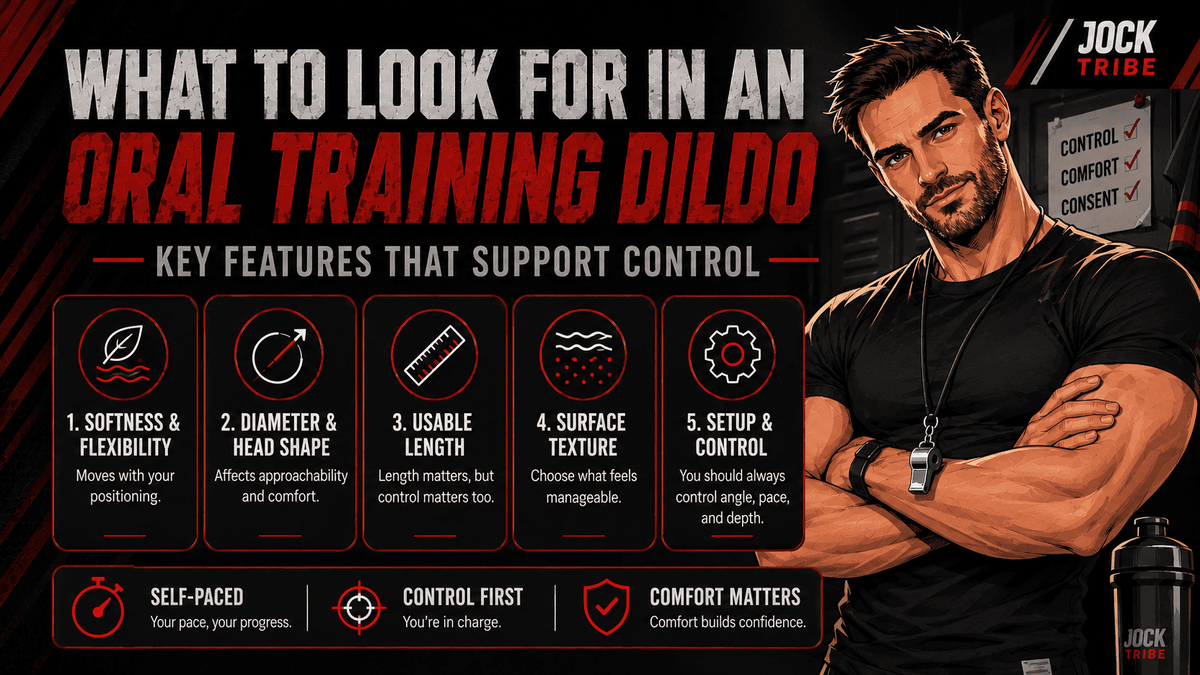
The toys you choose play a significant role in managing overstimulation. Material softness, surface texture, and overall flexibility all affect how sensation builds and how quickly you might hit your threshold.
Softer silicone toys with smoother surfaces deliver stimulation more gradually. They’re forgiving—they move with your body rather than creating rigid pressure points. Firmer toys with pronounced textures create a more intense, concentrated sensation. Neither is inherently better; it’s about matching the toy to your sensitivity level and what you’re looking for in that session.
If you often feel overstimulated, trying softer, flexible toys for comfort can help a lot. Starting gentler doesn’t mean the experience will be less pleasurable—often the opposite. Building sensation gradually allows you to sustain pleasure longer without hitting that wall. You'll find out by checking out our "Guide to Realistic Dildo Materials and Hardness".

How to Deal With Overstimulation (Practical Control Techniques)
Knowing how to deal with overstimulation gives you practical tools to stay in control of your experience. This isn’t about dodging intensity. It’s about handling it well. This way, you can enjoy strong feelings without discomfort.
Here’s what to do when overstimulated, broken into actionable techniques:
1. Slow the pace and take breaks
The simplest intervention is often the most effective. When you feel sensation building toward overwhelm, slow down significantly or pause entirely. Even a 30-second break allows nerve endings to partially reset, extending how long you can enjoy stimulation before hitting your limit.
2. Switch the type of stimulation
Rather than stopping entirely, change what you’re doing. Switch from internal to external touch. Try perineum massage instead of direct prostate stimulation. You can also change the angle or motion. This engages slightly different nerve pathways, giving overworked ones a rest while keeping pleasure going.
3. Add more lubrication
If things feel intense in a friction-y, irritated way rather than a pleasurable way, more lube almost always helps. Reapply generously. With anal play, especially, you essentially cannot use too much lubricant. More lube means smoother sensation and less likelihood of the kind of irritation that accelerates overstimulation.
4. Use softer toys or a lighter touch
If you’re using a firmer toy, consider switching to something with more give. If you’re using hands or a partner is involved, communicate about lighter pressure. Sometimes, the same motion at half the intensity feels sustainable rather than overwhelming.
5. Practice breathing techniques
This sounds basic, but breath control genuinely affects how your nervous system processes sensation. When you feel overwhelm building, slow your breathing deliberately—long inhales, longer exhales. This activates your parasympathetic nervous system and can help modulate how intense the stimulation feels.
6. Explore edging and intentional control
Edging—bringing yourself close to climax and then backing off—builds your awareness of your own arousal curve. The more familiar you become with where your body sits on that spectrum, the better you’ll recognize when you’re approaching overstimulation and need to adjust before you cross that line.
7. Communicate clearly
If you’re with a partner, overstimulation is nothing to be embarrassed about. Clear communication—“slower,” “lighter,” “let’s pause”—allows you both to navigate intensity together. Your partner can’t feel what you’re feeling; they need your guidance.
Can Overstimulation Be Unsafe?
For the most part, overstimulation is uncomfortable but not dangerous. It’s your body’s protective response working exactly as intended. However, there are some considerations worth understanding.
Temporary soreness after intense stimulation is normal. Like muscles after a workout, tissue that’s been stimulated heavily may feel tender afterward. This typically resolves within hours to a day.
Micro-irritation can occur, especially with inadequate lubrication or toys that are textured or firm. This might show up as mild rawness or sensitivity. Again, it usually resolves quickly with rest.
Knowing when to stop is crucial. If you feel sharp pain instead of just discomfort, stop right away. Also, watch for bleeding, ongoing numbness, or pain that doesn’t fade with rest. These signals warrant attention and potentially medical consultation.
Signs you’ve pushed too far include soreness that persists beyond 24 hours, visible irritation or swelling, or significantly increased sensitivity that doesn’t normalize. These aren’t emergencies, but they’re your body asking for a longer recovery period.
Safety practices that support comfortable play include:
- Using plenty of high-quality, appropriate lubricant (water-based for silicone toys)
- Choosing body-safe materials (medical-grade silicone, stainless steel, glass)
- Cleaning toys properly before and after use
- Starting smaller and working up if you’re newer to penetration testing
- Listening to your body’s signals rather than pushing through discomfort
Overstimulation itself isn’t harmful—it’s information. Your body is telling you it’s reached capacity. Respecting that signal and adjusting accordingly keeps the play comfortable and sustainable.
Choosing Toys That Help Prevent Overstimulation
The right toy can change how you feel stimulated. It helps you stay in the pleasure zone longer without losing control.
Softer Materials for Sensitive Play
Silicone varies significantly in firmness. Some silicone toys are quite rigid; others have substantial give and flexibility. Softer durometer silicone is better for managing overstimulation. It cushions sensation, moves with your body, and reduces concentrated pressure.
Dual-density Silicone Dildo which have a firmer core and softer exterior, offer an interesting middle ground. They provide enough structure to be effective while keeping the surface that contacts sensitive tissue gentle and forgiving.
Realistic Textures vs Extreme Stimulation
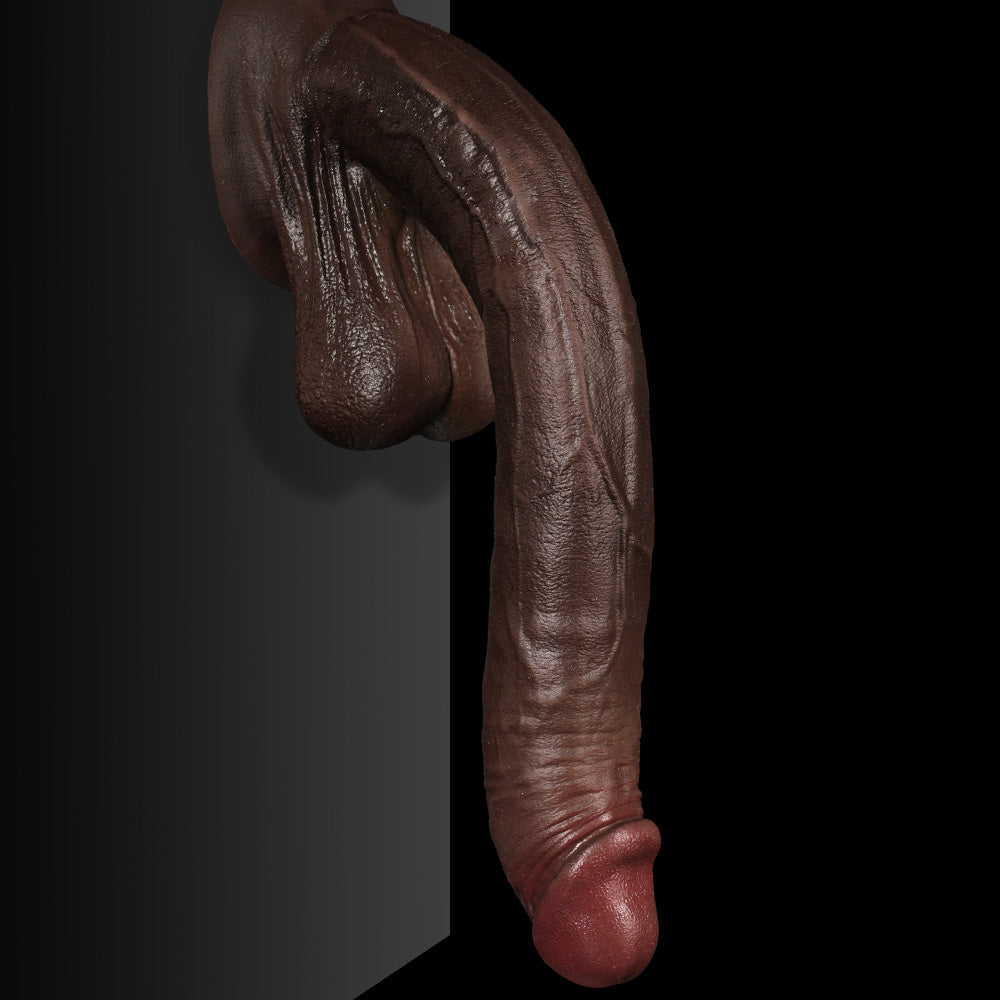
Texture adds sensation, which can be wonderful or overwhelming depending on where you are on the sensitivity spectrum. Heavily textured toys—with pronounced ridges, nodules, or patterns—deliver intense stimulation by design.
If you’re prone to overstimulation, smoother or more subtly textured toys might serve you better. Realistic designs that mimic actual skin texture tend to be gentler than abstract patterns designed for maximum stimulation. Explore more products in our realistic dildo collection;
Size and Thickness Considerations
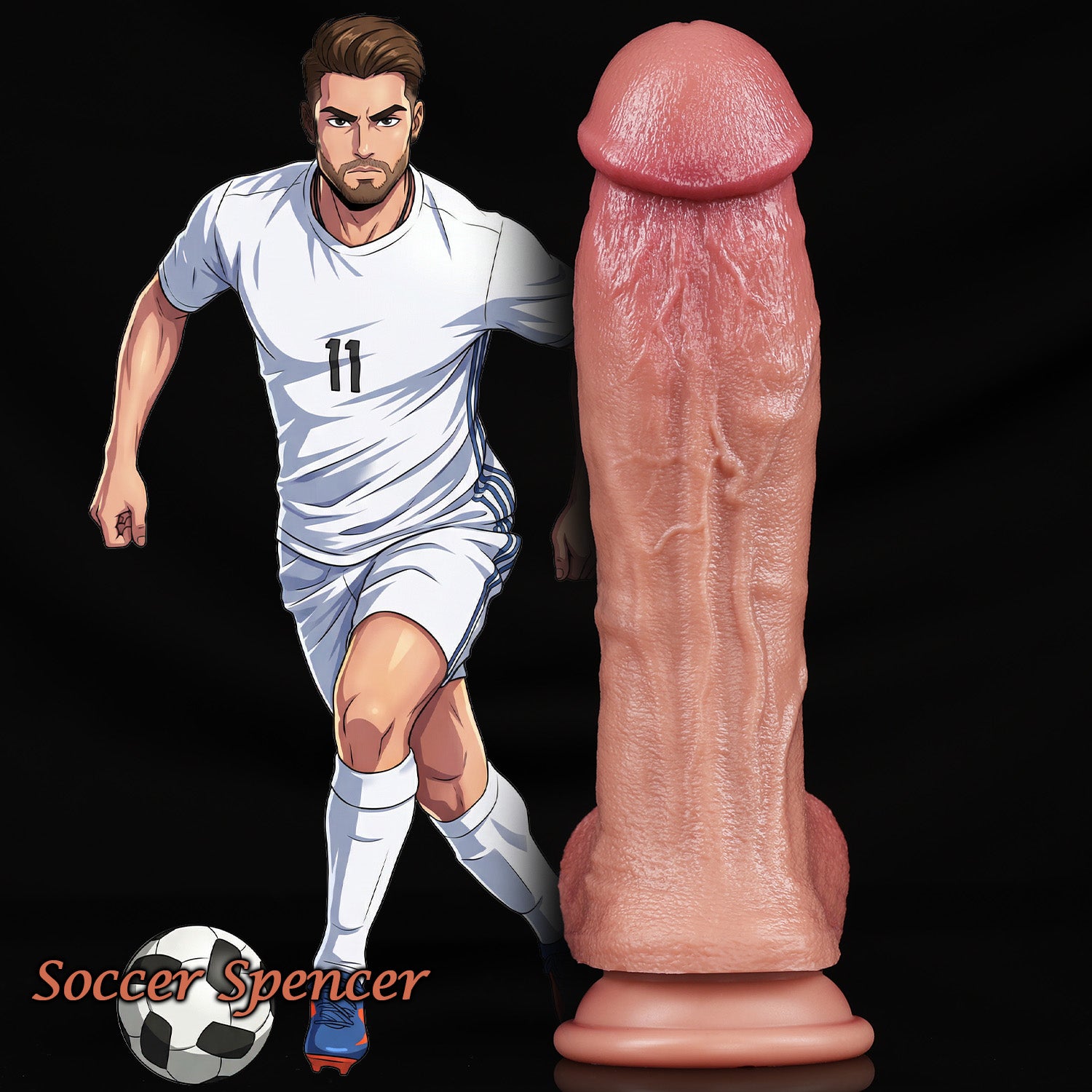
Larger dildo create more stretch and pressure, which increases overall stimulation intensity. Enjoying size is fine, but if overstimulation happens often, try smaller dimensions. This change might help you enjoy pleasure for a longer time.
Starting sessions with a smaller toy and progressing to larger ones as your body warms up can also make a difference. This gradual approach lets your body adjust rather than jumping straight to intense stretches and pressure. You can use our Boss Bobby product for training.

Real Experience: Learning to Control Pleasure
Many men, myself included, have navigated that learning curve where intense pleasure suddenly becomes too much—and it catches you completely off guard the first few times it happens.
My early experiences with prostate toys were intense. I often felt, “This feels incredible,” but then quickly thought, “Okay, that’s way too much.” There was hardly any middle ground. The mistake I kept making was treating intensity as the goal rather than sustainable pleasure. If some stimulation felt good, more must feel better, right? Push harder, go faster, use the most intense toy available.
It took time to realize that backing off actually allowed me to experience more pleasure overall. Slowing down when sensation peaked, switching to lighter touch, using generous amounts of lube—these weren’t compromises. They were techniques that extended how long I could stay in that incredible zone before my body called a timeout.
Softer toys were a revelation. I’d initially dismissed them as somehow “less than” because they weren’t the most intense option available. Using a flexible, gently textured toy allowed me enjoy a full session. I didn't hit that wall where everything felt overwhelming. The experience was more pleasurable precisely because I wasn’t fighting against overstimulation the whole time.
The readers I’ve connected with over the years report similar journeys. Many start by chasing maximum intensity. Then, they face a reality check when they see their limits. Finally, they adopt a more balanced approach. They learn to understand their own signals and work with them. That third phase is where the really good experiences happen.
Overstimulation in Adults: Is It Normal?
If you’ve wondered whether getting over stimulated meaning in adults is unusual or something to worry about, let me reassure you: it’s completely normal.
Adult nervous systems vary enormously in baseline sensitivity. Some people have higher thresholds and can enjoy intense stimulation without approaching overwhelm. Others have more reactive nervous systems, where that threshold is lower. Neither is better or worse—they’re just different bodies with different wiring.
Overstimulation isn’t unique to sex, either. It happens during massage when pressure becomes too much, during exercise when muscles burn past what’s tolerable, and during any experience where sensory input exceeds comfortable processing capacity. The mechanism is the same; the context differs.
Body awareness plays a significant role here. The more attuned you are to your physical signals, the better you’ll navigate intensity—recognizing when you’re approaching your threshold and adjusting before you cross it. This awareness develops with experience and attention. The more you pay attention to what your body is telling you, the more fluent you become in that communication.
This also means overstimulation patterns can shift over time. Your threshold might increase as you become more accustomed to certain types of stimulation. It might decrease if you’re stressed, tired, or haven’t played in a while. Working with your body as it actually is in any given session—rather than expecting it to perform like it did last time—leads to more satisfying experiences.
Summary: Enjoy Intense Pleasure Without Losing Comfort
Overstimulation in sex isn’t a problem to be solved—it’s a signal to be understood. When you know what’s happening in your body, you gain the ability to work with your nervous system rather than accidentally overloading it.
The main principles are simple:
- Notice what overstimulation feels like, so you can spot it early.
- Understand why it happens, so you can change what contributes to it.
- Use practical techniques—like pacing, lubrication, toy choice, and communication—to enjoy yourself while respecting your body’s limits.
Intense sensation and sustainable comfort aren’t opposites. With the right approach, you can feel lasting pleasure. It builds toward satisfaction instead of overwhelming you.
Everybody is different. Every session is different. The goal isn’t to eliminate sensitivity but to navigate it skillfully—staying in that zone where pleasure is deep and powerful and exactly right for you.
Frequently Asked Questions
What does overstimulation feel like during sex?
Overstimulation typically progresses from heightened pleasurable sensitivity into something sharper and less comfortable. You may feel tingling that turns into buzzing. You might want to pull away suddenly. Touch could become too intense, or you may experience brief numbness. After orgasm, overstimulation often intensifies as your body enters a refractory period with dramatically increased sensitivity. These responses are your nervous system communicating that it's reached capacity—not that anything is wrong.
Why do I get overstimulated so easily?
Several factors contribute to how quickly someone reaches overstimulation. High nerve density in areas like the prostate means intense sensation builds rapidly. Fast, continuous pacing without variation doesn't give nerve endings time to reset. Insufficient lubrication increases friction and irritation. Firm or heavily textured toys deliver concentrated stimulation. Your nervous system sensitivity matters too. Some bodies have lower thresholds. This isn't a flaw; it's just a characteristic to understand and work with.
How can I calm down when overstimulated?
Stop or significantly slow whatever stimulation is happening. Take deliberate slow breaths—long inhales, longer exhales—to activate your parasympathetic nervous system. Apply more lubricant if things feel friction-y or irritated. Switch to a different type of touch (external rather than internal, lighter pressure, different area). Give yourself a full break if needed; even 30 seconds to a minute helps nerve endings reset. Communicate clearly with partners so they understand what you need.
Is overstimulation harmful?
Overstimulation itself isn't harmful—it's a protective response from your nervous system. However, pushing through overstimulation repeatedly or ignoring sharp pain (rather than diffuse discomfort) can lead to irritation or soreness. Temporary tenderness after intense play is normal and typically resolves within hours. If you experience pain that doesn't subside, visible irritation, or any bleeding, stop and allow recovery time. Respecting your body's signals keeps you safe and sustainable.
Can certain toys cause overstimulation faster?
Yes, toy characteristics significantly affect how quickly you might become overstimulated. Firmer materials and pronounced textures create a more intense, concentrated sensation. Large sizes increase stretch and pressure. Vibration, especially at high settings, can overwhelm nerve endings quickly. Softer silicone toys with gentle textures and moderate sizes create sensations slowly. This helps maintain pleasure without leading to discomfort. Matching toy intensity to your current sensitivity level helps you stay in the enjoyable zone longer.