
Why Common Anal Positions Feel Uncomfortable for Some Bodies
Some anal positions get recommended everywhere. You see them in guides, videos, and “best of” lists.
But if you’ve ever tried one of those popular positions and thought “This doesn’t feel right for me”, you’re not alone.
The truth is simple: popular anal positions aren’t designed for every body. And when a position doesn’t work, it’s usually not because you’re doing something wrong — it’s because the position doesn’t match how your body moves, relaxes, and responds.
Popular Doesn’t Mean Compatible
One of the biggest misconceptions is that a popular anal position must work for most people.
In reality, popularity often comes from what looks good or what’s easy to describe — not what actually feels comfortable across different bodies.
Bodies vary in flexibility, tension, and natural alignment. A position that feels stable and relaxed for one person may force another person’s body to tense up or compensate in uncomfortable ways.
That’s why copying a position without adjusting it often leads to frustration.

When Your Body Has to “Fight” the Position
A useful way to think about anal positioning is this:
Does your body feel supported — or does it feel like it’s working against the position?
If a position requires you to:
- hold tension in your hips or lower back
- brace your legs or core just to stay in place
- mentally push through discomfort
then that position may simply not be a good match for you, no matter how popular it is.
Comfort comes from support and balance, not from forcing your body to adapt.
Different Goals, Different Position Needs
Another reason popular positions don’t work for everyone is that people want different experiences. For people who prioritize clean sensation and predictable feedback, simpler, distraction-free designs often make it easier to stay connected to their body responses.
Some people prioritize:
- gentle sensation
- full control over depth and pace
Others may want:
- ber pressure
- deeper stimulation
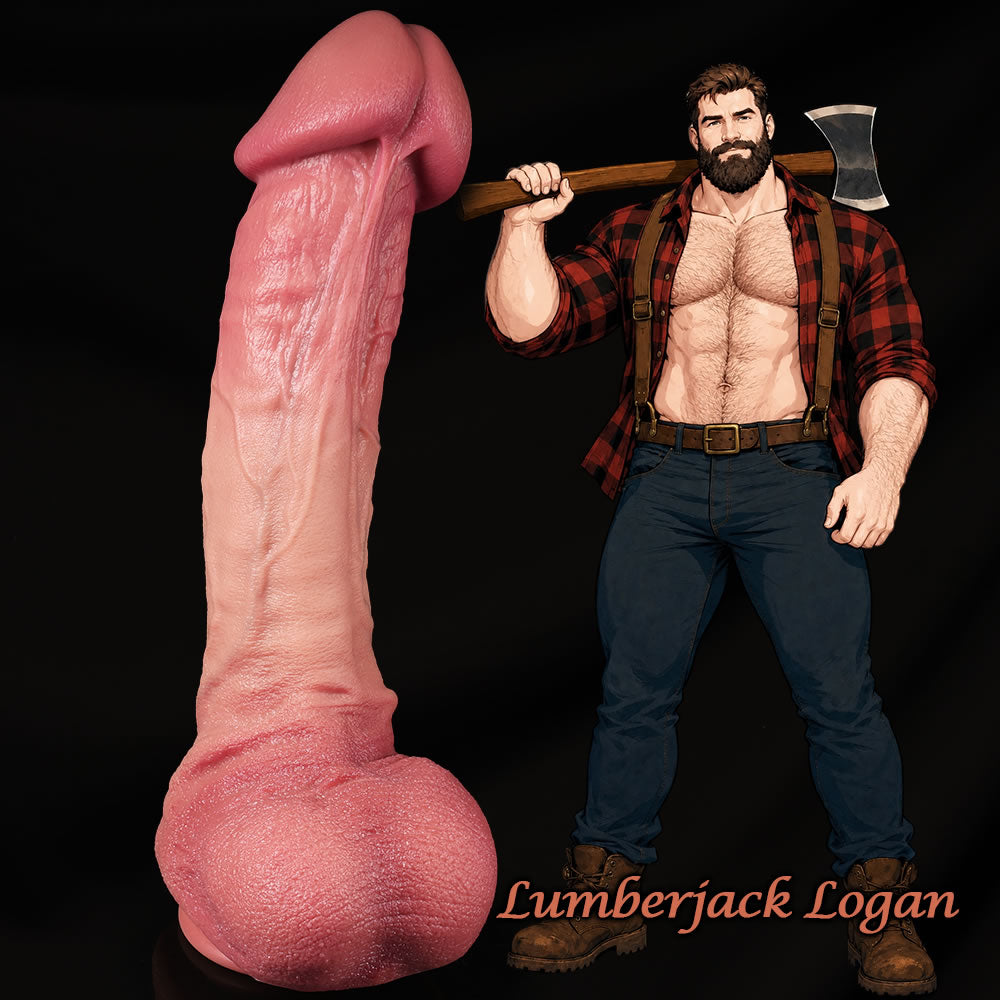
For a deeper tactile experience, you'll need a dildo with a longer insertion depth; you can try the one below(10inch Insertable Length).

A position that delivers intensity for one person may feel overwhelming or uncomfortable for someone else. That doesn’t make either experience “wrong” — it just means the position isn’t universal.
What Popular Guides Often Leave Out
Most “best anal position” lists focus on what to try, but rarely explain why something might not work.
They often skip:
- how muscle tension changes sensation
- how small angle shifts affect comfort
- how body feedback matters more than the position name
Without this context, people assume the problem is their body — not the position.
How to Think About Anal Positions Instead
Rather than asking “Is this position popular?”, better questions are:
- Can I stay relaxed in this position?
- Do I have control over movement and pressure?
- Does my body feel supported rather than strained?
When a position supports your body instead of challenging it, comfort and enjoyment become much easier to find.
This perspective connects directly with the idea explored in What Is the Best Anal Position? — that there isn’t one universal answer, only positions that work for you.

Conclusion
Popular anal positions don’t work for everyone because bodies aren’t identical, goals differ, and comfort depends on alignment and control — not trends.
Once you stop treating positions as rules and start treating them as anal tools, choosing what works becomes much simpler and far more satisfying.