Shore 00 vs Shore A: The Real Guide to Choosing Silicone Hardness for Anal Play and Beyond
I've been casting silicone toys for years now, and the single most misunderstood thing I encounter—both from customers and DIY makers—is durometer. People think they can just pick "soft" or "firm" and call it a day. Then they end up with a $60 custom plug that either folds like a wet napkin or bruises their insides like they went three rounds with an angry fist.
The Shore 00 versus Shore A debate isn't just technical jargon for engineers. It's the difference between a toy that works with your body and one that fights it. Let me walk you through what these scales actually mean, where the industry gets it wrong, and how to pick the right hardness for what you're actually trying to do.
What is the Shore 00 Hardness Scale?
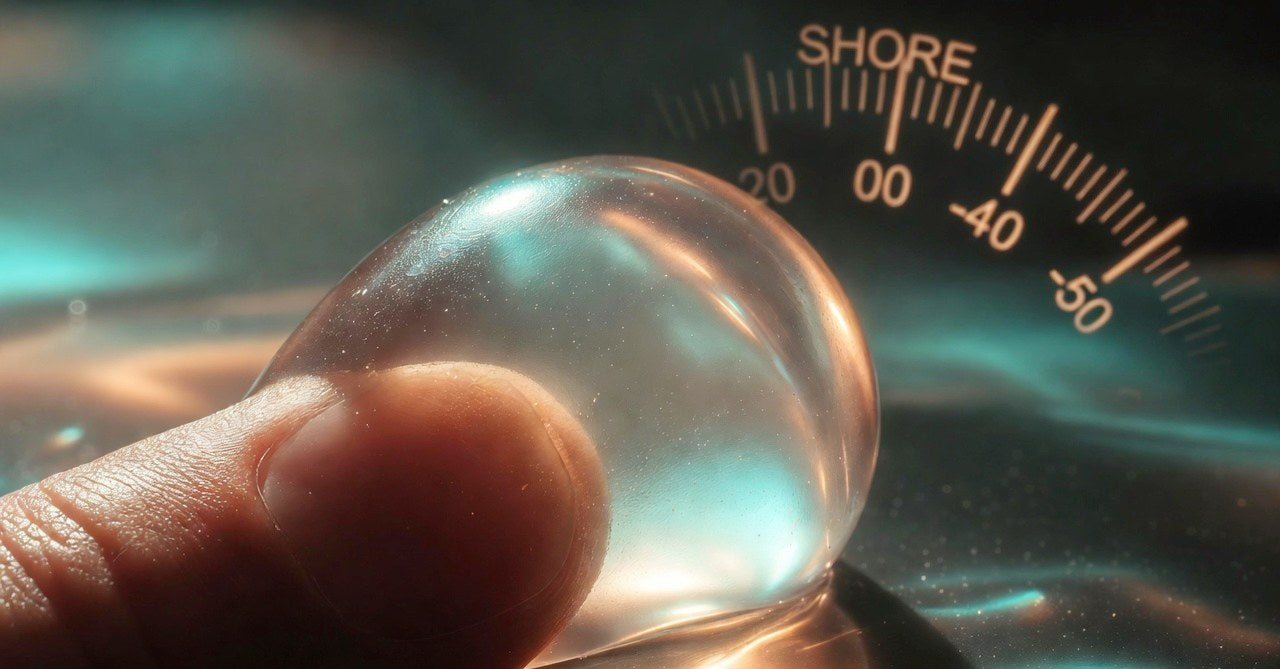
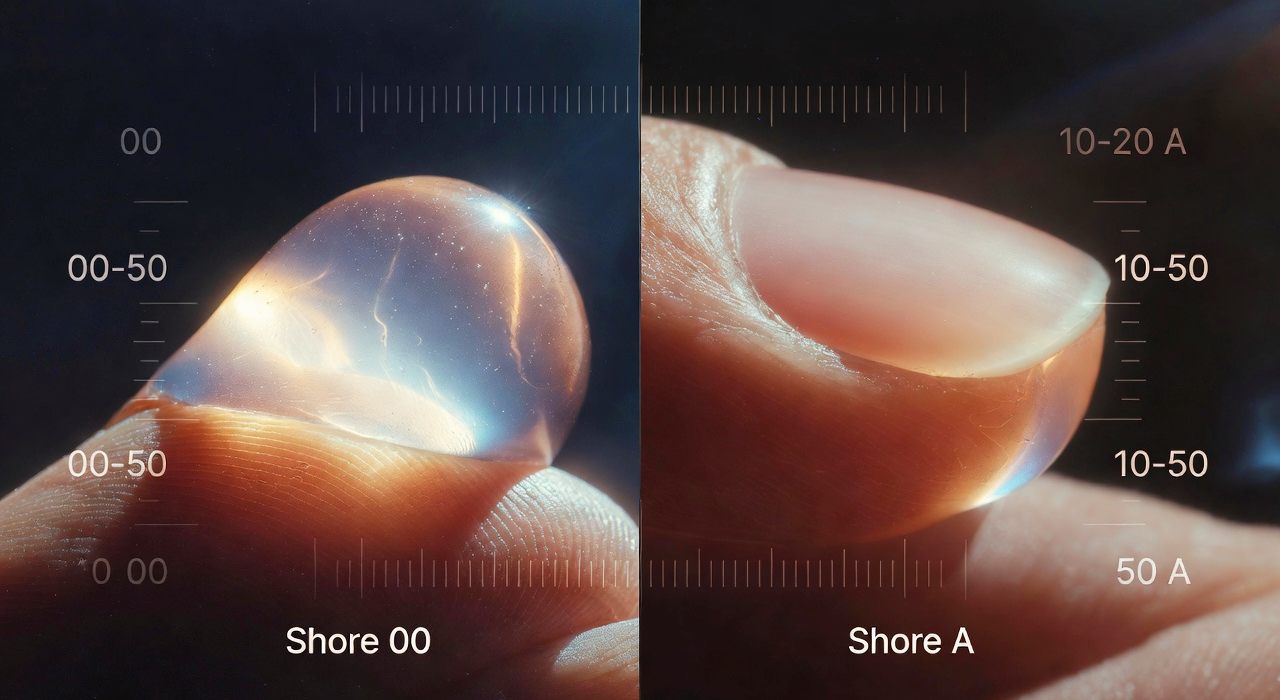
Shore 00 measures the softest materials in the durometer family—think gels, super-soft foams, and ultra-flexible silicones that feel almost liquid when you squeeze them. The scale runs from 0 (basically pudding) to 100 (still soft, but with some structure). Most gels and squishy toys you'll encounter sit somewhere between 10 and 70.
The key thing about Shore 00 is the testing method. It uses a conical tip indenter that's specifically designed to measure materials that would just squish flat under a normal hardness tester. When you press the gauge into a Shore 00 material, you're measuring how much that cone sinks in—more penetration means softer material.
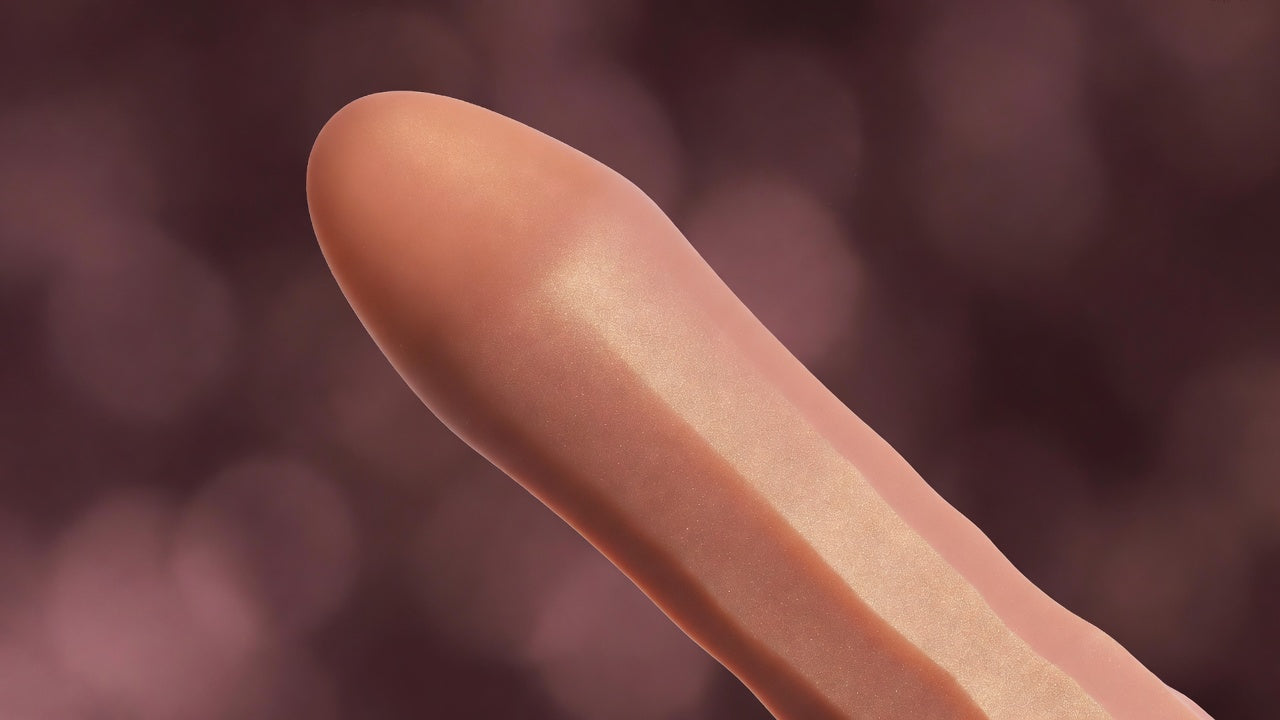
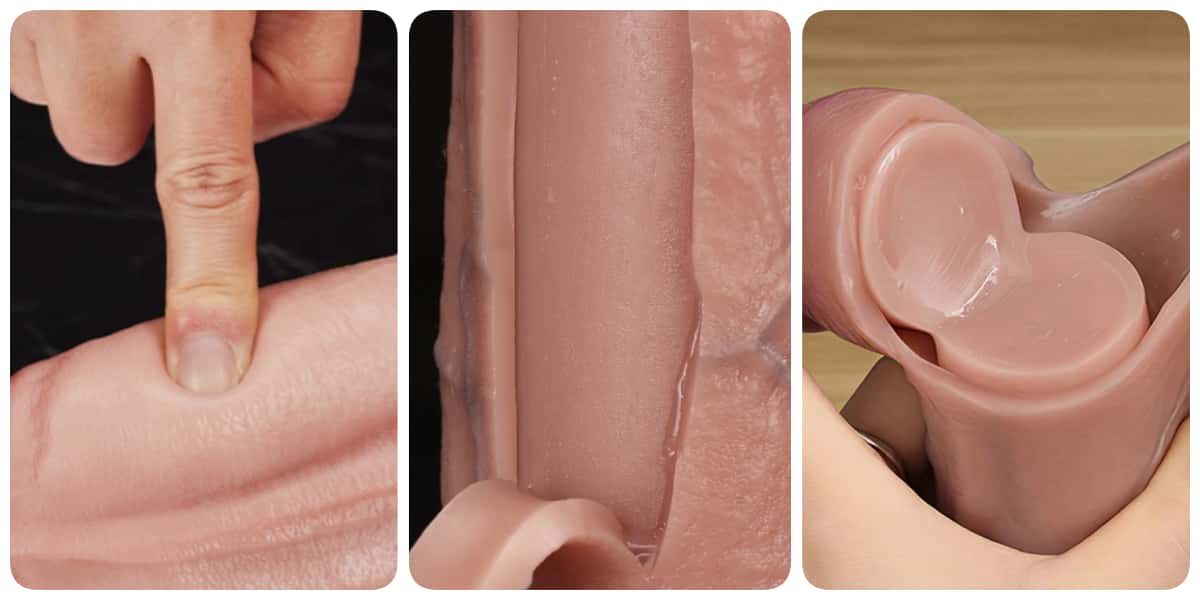
For anal play, Shore 00 is what you want when comfort trumps everything else. A Shore 00 plug molds to your body like it was custom-made for your anatomy. It compresses when your sphincter tightens, doesn't create pressure points, and generally feels like... well, like flesh. That's why a lot of realistic dildos with that "lifelike" feel use Shore 00 or something close to it.
But here's where beginners screw up: they assume softer is always safer. I've seen guys order Shore 00 fantasy toys with massive knots or dramatic curves, thinking the softness will compensate for the size. What actually happens? The dildo folds in half during insertion, bunches up inside, or just refuses to stay where you put it. One user on a toy forum put it perfectly: "Shore 00 is a floppy mess, couldn't even get the knot past my rim without it folding like origami—wasted $50."
Shore 00 works brilliantly for simple shapes, for toys you want to warm up with, or for extended wear where you need something that won't fatigue your muscles. But it's not a magic bullet.
Why Choosing the Wrong Durometer Ruins Anal Play: Real Experiences
Let me be blunt: most people get this wrong because they're basing their choice on marketing hype instead of physics and anatomy.
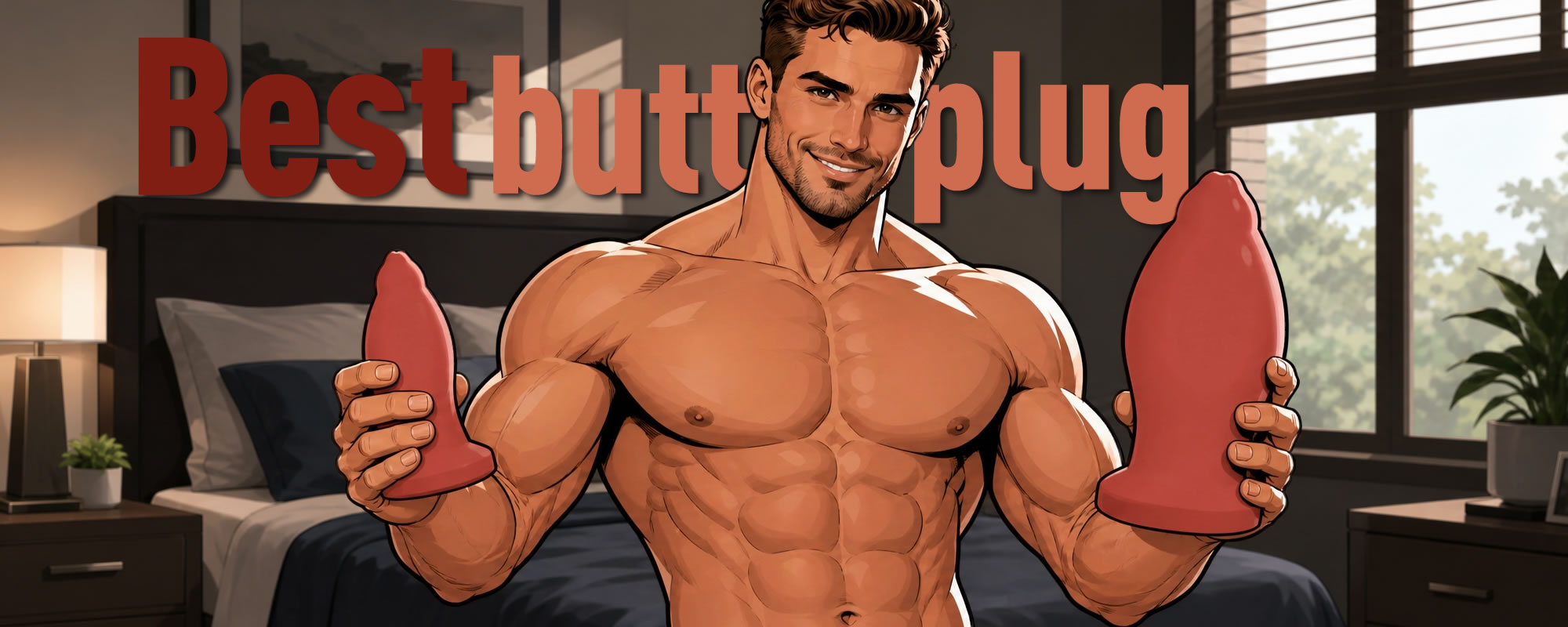
The "firmer is always better" crowd will tell you that Shore A gives you control, that it hits the prostate better, that you need that rigidity for deeper play. And for experienced users with specific goals, yeah, that can be true. But I've personally talked to guys who bought their first anal toy—some aggressive-looking Shore A dildo with ridges—and basically traumatized themselves. One Reddit user didn't mince words: "Ordered a Shore A fantasy dildo cuz it looked badass, but it felt like a goddamn broomstick ripping me open—never again, sticking to 00 forever."
That's not an exaggeration. Shore A silicones don't compress much. When you're tight (and everyone's tight at first), a firm toy doesn't gently persuade your sphincter to relax—it just pushes. Hard. The result? Micro-tears, sharp pain, and a very unpleasant association with anal play that takes months to unlearn.
On the flip side, the "soft is always safer" myth creates its own problems. Shore 00 toys, especially textured or girthy designs, can collapse under pressure. You're thrusting, everything feels good, and then suddenly the toy buckles, the texture disappears, and you're left with a shapeless blob that's doing absolutely nothing. We've seen recurring complaints on forums where guys bought Shore 00 plugs for long-term wear, only to have them migrate, fold, or just feel like mush after 20 minutes.
The other failure mode? Hybrid durometer toys where the maker combined Shore 00 and Shore A sections without understanding thermal dynamics. Softer silicone warms up faster and gets mushier at body temperature. Firmer sections stay rigid. What you end up with is uneven pressure—the soft part squishes down while the hard part digs in, creating pinch points or dragging sensations that feel absolutely wrong. One DIY maker on r/SexToys shared: "My hybrid 00 tip with A shaft finally hit the spot without bruising, but it took 3 failed molds to get the firmness balance right."
That's the reality. Durometer isn't a preference—it's engineering. Choose wrong and you're either getting hurt or getting bored.
What is Shore A? From Flexible Rubbers to Tougher Toys
Shore A is the standard scale for highly flexible rubbers and firmer elastomers. It runs from 0 A (which overlaps with the upper end of Shore 00) to 100 A (which is getting close to hard plastic territory). Most practical applications—shoe soles, rubber bands, seals, and yes, sex toys—fall between 20 A and 80 A.
The testing method for Shore A uses a blunt-tipped indenter instead of the cone used for Shore 00. It's designed to measure materials that have enough structure to resist deformation but still flex. When you press a Shore A durometer into silicone, you're measuring how much the material pushes back. Higher numbers mean more resistance.
For anal toys, Shore A is what you want when you need a toy to hold its shape under pressure. A Shore A plug won't buckle when your muscles clench. A Shore A dildo will maintain its curve during thrusting. If you're into prostate stimulation and you need that firm, targeted pressure, Shore A is your friend.
The typical range for sex toys is 10 A to 50 A. Below 10 A, you're basically in Shore 00 territory (and vendors might rate it that way instead). Above 50 A, you're getting into "why would you put this inside yourself" firmness—think tire treads or hard gaskets. Those ratings exist for industrial applications, not for anything going near your body.
Real-world comparisons help. A rubber band is usually around 25 A. A pencil eraser is closer to 40 A. A shoe sole might be 60 A. When you're shopping for toys, if the vendor says "Shore A" without a number, assume it's somewhere in the 20-40 A range—firm enough to function, soft enough not to injure.
Unlike Shore 00, Shore A materials don't change much at body temperature. That's a feature, not a bug. You want consistency during play, and Shore A delivers that. But that also means if a toy is uncomfortable when you first insert it, it's going to stay uncomfortable. There's no "warming up and getting squishier" effect like you might experience with Shore 00.
Common Mistakes: Why Durometer Design Fails Actually Hurt
Let's talk about the ways this goes wrong in practice, because understanding the failure modes is how you avoid them.
Mistake #1: Buying Shore A for fantasy shapes without considering anatomy. You see a gorgeous toy with dramatic ridges, a bulbous head, or a tapered knot. The vendor lists it as Shore A. You think, "Perfect, it'll hold its shape." What you're not thinking about is that your sphincter is a ring of muscle that doesn't compress easily. When you try to insert that rigid, textured toy, it doesn't gently persuade your body to open—it just jabs. The ridges that looked sexy in photos now feel like speed bumps made of concrete. Toys bend awkwardly or jab during insertion because silicone doesn't compress enough in tight sphincters, causing tears or sharp pain. This is a direct violation of ASTM D2240 principles, which specify that durometer testing assumes uniform pressure—but your body doesn't apply uniform pressure. Your sphincter clamps down in a ring, creating localized stress points that Shore A materials can't distribute.
Mistake #2: Defaulting to Shore 00 for all anal toys to prioritize softness. This is the opposite problem. You want something gentle, so you go full-soft. The toy arrives, feels great in your hand, and then completely fails during use. Extreme floppiness makes textured or girthy designs collapse and bunch up inside, leading to no sensation and frustrating sessions. The issue is that Shore 00 materials lack structural integrity under sustained pressure. When your muscles clamp down—and they will, especially during orgasm—a Shore 00 toy just folds. The texture you paid extra for? Gone. The curve that was supposed to hit your prostate? Flattened. You're left with a shapeless blob that's technically inside you but doing absolutely nothing useful.
Mistake #3: Mixing durometers in hybrids without testing body temp effects. This is the advanced failure mode, usually seen in custom or DIY toys. The theory is sound: soft tip for easy insertion, firm shaft for structural support. But most makers don't account for thermal expansion and softening. Softer Shore 00 sections warm up and get mushy while firmer Shore A stays rigid, creating uneven pressure that pinches or drags painfully. The boundary between the two durometers becomes a stress concentration point. Instead of a smooth transition, you get a ridge or a pinch that your body notices immediately. I've made this mistake myself in early molds—looks perfect on the bench, feels wrong the moment it's inside someone.
The underlying science here is that silicone elastomers respond to temperature and pressure in non-linear ways. ASTM D2240 testing happens at room temperature with a standardized force. But your body is 37°C, you're clenching intermittently, and you've added lubricant that changes surface friction. None of those variables are in the test standard. That's why vendor ratings are a starting point, not a guarantee.
Key Differences Between Shore 00 and Shore A: Quick Comparison Table
Here's the direct, no-BS breakdown of how these scales differ and what it means for you:
Shore 00: Scale range 0-100, measures gels and ultra-soft foams using a conical indenter. Typical applications include soft silicone toys, gel inserts, cushioning materials. Best for beginners, extended wear, or anyone prioritizing comfort over targeted stimulation. Feels like soft flesh or a gel insole. Major limitation: collapses under pressure, loses texture, can migrate during use.
Shore A: Scale range 0-100 A (with 0 A overlapping ~75-100 ), measures flexible rubbers using a blunt indenter. Typical applications include shoe soles, rubber bands, seals, structured sex toys. Best for experienced users, prostate play, thrusting, or anyone who needs a toy to maintain shape under pressure. Feels like a firm rubber band or pencil eraser. Major limitation: doesn't compress much, can cause bruising or discomfort if you're not warmed up.
Overlap zone: Roughly 70-100 equals 0-10 A. This is the "Goldilocks zone" for a lot of users—soft enough to be forgiving, firm enough to hold basic shapes. If a vendor lists a toy as "10 A / 90 ," they're usually in this range, and it's worth considering if you're unsure.
Conversion caveat: Shore scales aren't perfectly linear. A jump from 20 to 40 doesn't feel the same as a jump from 40 to 60. And converting between scales using charts is approximate at best. If you're DIY casting or commissioning custom work, always ask for a sample or a test pour before committing to a full-size toy.

Where Are Shore 00 vs Shore A Used? From Sponge Rubbers to Custom Sex Toys
Let's ground this in real-world applications, because understanding where these materials show up in daily life helps you predict how they'll perform in your body.
Shore 00 applications: Medical-grade gel pads for wound care, soft foam insoles, ultra-plush cushioning in high-end mattresses, sponge rubber gaskets for low-pressure seals, and yes, realistic sex toys that prioritize "lifelike" feel. In the toy world, Shore 00 is your go-to for silicone dildos marketed as "ultra-soft," beginner plugs, and anything labeled "squishy" or "flexible." It's also common in TPE (thermoplastic elastomer) toys, though TPE has its own issues with porosity and hygiene that silicone doesn't.
Shore A applications: Shoe soles (especially running shoes, which need cushioning but also structure), rubber bands, tire treads (at the hard end), seals and gaskets for automotive or plumbing use, and structured sex toys. In the toy world, Shore A is what you'll find in prostate massagers, highly flexible rubbers designed for thrusting, and any toy where maintaining a curve or texture under pressure is critical. TPU (thermoplastic polyurethane) is also common in this range—it's firmer than TPE, more durable, and still body-safe if it's medical-grade.
The overlap zone (70-100 / 0-10 A) shows up in hybrid designs, dual-density toys, and anything marketed as "soft outside, firm inside." That's the sweet spot for a lot of advanced users—you get the comfort of Shore 00 on the surface but the structural integrity of Shore A in the core.
One thing to watch out for: vendors who don't specify durometer at all. If a toy is just listed as "soft silicone" or "firm rubber," that could mean anything from 20 to 60 A. Always ask. Reputable makers will give you a number. If they won't, that's a red flag.
FAQ: The Questions No One Else Answers Honestly
Will a Shore 00 plug hold its shape in my ass during a 30-minute session or just turn into jelly?
Depends on the design and your anatomy. A simple tapered plug with a wide base? Yeah, Shore 00 will hold up fine for 30 minutes, maybe longer. Your sphincter isn't clenching constantly—it tightens and releases—so the toy has time to re-expand. But if we're talking about a plug with dramatic texture, a narrow neck, or a lot of girth, Shore 00 might start to compress and lose definition after 15-20 minutes. I've tested this with my own molds: a Shore 00 60 plug with a 1.5" neck stayed put for 40 minutes during a workout. The same design at Shore 00 30 started migrating inward after 20 minutes because it was too soft to resist the constant pressure. If you're planning extended wear, aim for the upper end of Shore 00 (70-90) or cross over into low Shore A (5-10 A). And use a base that's significantly wider than the plug body—gravity and muscle fatigue are real, and a floppy toy with a small base is just asking to get lost.
How much lube do I need to make Shore A feel like Shore 00 without it slipping out mid-thrust?
You can't make Shore A feel exactly like Shore 00—they're fundamentally different materials. But you can bridge the gap. Water-based lube is your friend here because it stays where you put it and doesn't break down silicone. For a Shore A toy in the 20-30 A range, I'd start with a generous coat (think "more than you think you need, then add more"), let it warm up for a minute, and reapply after 10-15 minutes of use. The trick is not to over-lube—too much and yeah, the toy will slip out. You want a slick surface, not a slip-n-slide. Silicone-based lube works too, but only if your toy is pure platinum-cure silicone (and even then, test a small spot first because some formulations react).
Is Shore 00 safe for overnight wear or does it degrade and cause irritation from trapped bacteria?
Shore 00 silicone itself is non-porous, so bacteria can't penetrate the material. That's the good news. The bad news is that Shore 00 toys, especially cheap ones, might not be pure silicone—they could be silicone blends with fillers, or TPE/TPU pretending to be silicone. Those materials are porous and will absolutely harbor bacteria. So first, make sure you're using 100% platinum-cure silicone from a reputable maker. Second, overnight wear with any toy is risky not because of the material but because of your body. Your rectum produces mucus, and that mucus plus body heat creates a perfect environment for bacterial growth on the surface of the toy and in the space between the toy and your rectal lining. Even with silicone, you're looking at a realistic safe window of maybe 4-6 hours for most people. Beyond that, you're increasing your risk of irritation, microtears from prolonged pressure, and yes, bacterial issues. Clean the toy thoroughly before and after, use plenty of lube to minimize friction, and listen to your body. If you feel any discomfort, burning, or unusual discharge, stop immediately and give yourself a break. Overnight wear is advanced stuff, and it's not worth a trip to urgent care.
Why do some hybrid toys with both Shore 00 and A feel weird, like there's pinching or uneven pressure?
Because most makers don't account for thermal dynamics and pressure distribution. When you insert a hybrid toy, the Shore 00 section warms up faster and gets softer. The Shore A section stays relatively firm. That creates a boundary where the material properties change abruptly, and your body notices that boundary as a pressure point or a pinch. It's especially noticeable if the transition between durometers is sharp—like a hard line where the mold changed. Better designs feather the transition or use a thick layer of each material so the boundary is deeper inside the toy, away from contact points.
Look, choosing between Shore 00 and Shore A isn't about picking the "best" option—it's about matching material properties to your anatomy and your goals. Shore 00 is forgiving, comfortable, and ideal for beginners or extended wear, but it won't hold complex shapes under pressure. Shore A gives you structure, targeted stimulation, and durability, but it's unforgiving if you're not ready for it.
Most of the failures I see come from people trusting marketing over physics. A toy that looks incredible in photos but has the wrong durometer for your experience level is just an expensive mistake. Start softer than you think you need, test with simple shapes, and work your way up. And if you're DIY casting or commissioning custom work, don't skip the test pours. Your body will thank you.
Article Editor: JockTribeRoger, Co-Founder & Lead Designer
Check out our : dildo materials and stiffness;