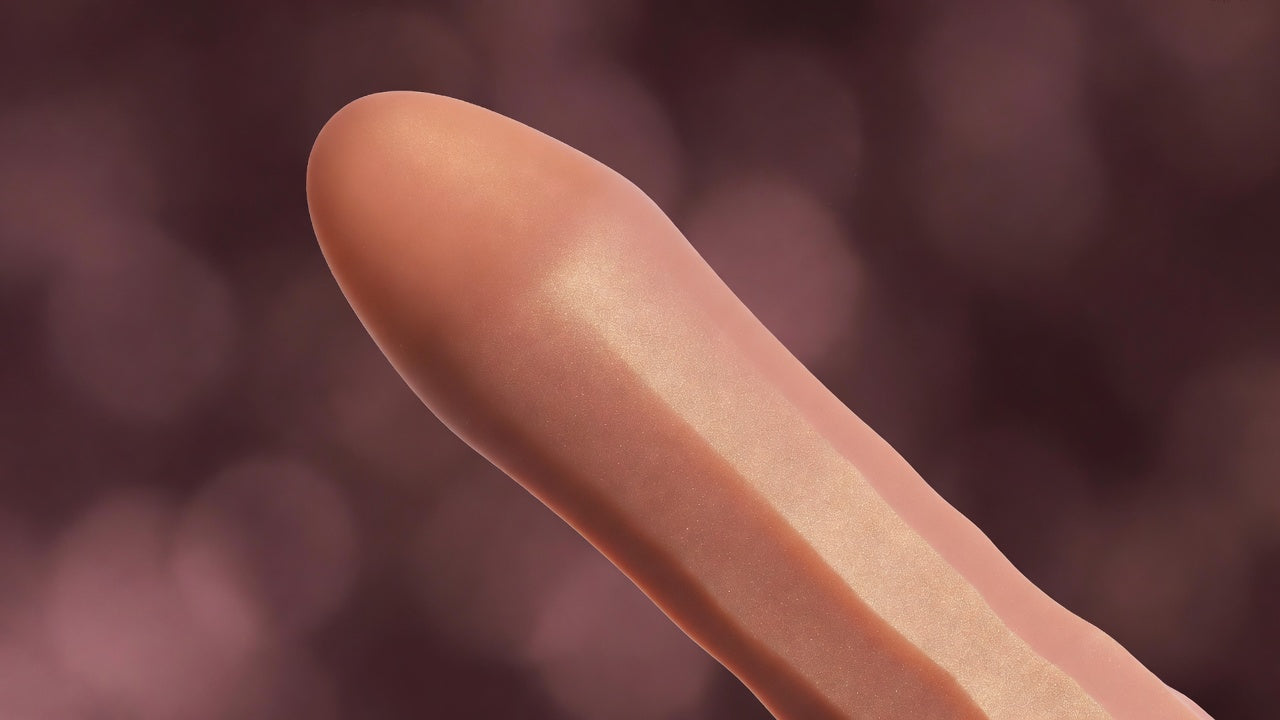

Silicone Dildos: Material Care, Compatibility, and Long-Term Performance
Silicone dildos are among the most popular adult products because of their body-safe properties and versatility. However, long-term performance and material stability are not determined mainly by cleaning habits or isolated usage practices — they are determined by material quality, compatibility considerations, and how a product is designed from the start.
Our this article explains what matters most when choosing, maintaining, and using silicone dildos — not as a step-by-step manual, but as a structured decision framework that supports confident buying.
Why Silicone Quality Matters More Than Cleaning Habits

Not all silicone used in adult products is the same. In technical terms, silicone refers to a family of polymers that can vary widely depending on formulation, curing process, and additives.
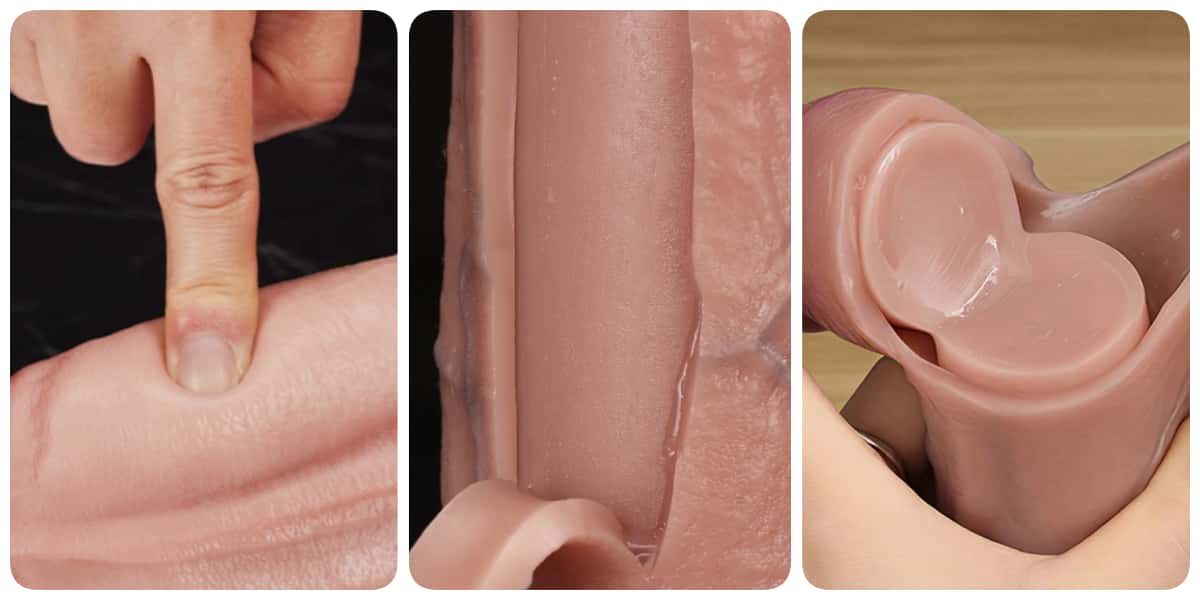
Medical-grade silicone — often used in high-end sex toys — cures to a non-porous, stable surface that resists bacterial ingress and wears well over time. Lower-quality silicone or silicone blends with fillers can be softer, less stable, and more prone to surface changes under repeated mechanical stress. These changes — including surface tackiness or texture alterations — are not typically caused by user “mistakes,” but by inherent material limitations.
Material quality therefore sets the ceiling for how well a silicone dildo will perform over months and years, while cleaning routines only help to maintain that performance. Poor formulation cannot be fixed with cleaning.
Lube Compatibility Is a Material Question, Not a Rulebook

A common piece of guidance in the adult product space — supported by multiple lubricant reference sources — is that water-based lubricants are the most universally compatible option for use with silicone toys. This is because water-based formulas tend not to chemically interact with silicone surfaces, whereas silicone-based lubricants can soften or break down silicone materials over repeated contact.
Water-based lubricants offer ease of cleaning, broad compatibility with condoms and toys, and a neutral pH suitable for many users. Silicone-based lubricants, while long-lasting and smooth for skin, are often not recommended for direct use with silicone sex toys because they may alter surface texture or promote chemical interactions over time. (Source: Wikipedia – Personal Lubricant)
Rather than interpreting this as a rigid “ban,” it is more accurate to view it as a compatibility preference: choosing the lube that minimizes risk across a wide range of potential material formulations. This approach aligns with safety guidance listed on many toy and personal lubricant information sources — water-based lubes are safe with most materials, while other types require more consideration.
What Actually Causes Surface Degradation Over Time
Surface degradation of silicone toys generally occurs due to material instability, not isolated external factors.
The most common contributors to surface changes include:
- Incomplete curing or low-quality base polymers
- Use of fillers or plasticizers to reduce cost
- Repeated exposure to incompatible substances
- Mechanical wear over time
Cleaning helps remove residue from lubricants or bodily fluids, but it does not reverse material breakdown. Once a silicone surface begins to soften, become tacky, or change texture, that is usually a sign of an underlying formulation issue — not simply poor hygiene.
Cleaning as Preservation, Not Restoration
Cleaning plays an important role in maintaining hygiene and preventing residue buildup, but its function is preservation, not restoration.
Silicone is non-porous when properly manufactured, making it easier to clean and less likely to harbor bacteria than porous materials like TPE or rubber. This characteristic is why many sex toy hygiene guides recommend rinsing toys with mild, fragrance-free soap and warm water after each use, especially when water-based lubricants are used.
If a toy is labeled as 100 % silicone and contains no electronics or mechanical components, some guides also note that boiling briefly can provide additional sanitization.
However, cleaning routines — including warm water, mild soap, or designated toy cleaners — are most effective when the material itself is stable. They help reduce surface residue and maintain a consistent surface feel over time, but they will not repair chemical degradation or material breakdown caused by repeated incompatible exposure or poor formulation.
How Long Should a High-Quality Silicone Dildo Last?
A well-crafted silicone dildo — particularly one made using platinum-cured silicone — is designed for long-term use. With proper maintenance and compatible lubrication, these products can maintain their integrity through months or years of regular use.
Longevity depends on use frequency, storage conditions, and product design, but the material formulation is the primary determinant. Early signs of degradation — such as persistent stickiness, micro-tearing, or changes in surface feel — are more often due to material quality limitations than to user habits.
Understanding this distinction helps buyers focus on what matters: sourcing products with solid material credentials rather than overemphasizing cleaning technique or usage frequency. click here, see our silicone dildos collection.

Choosing Silicone Dildos Designed for Long-Term Use
For buyers who want silicone dildos that perform well and age gracefully, consider the following criteria:
- Platinum-cured silicone — consistently stable and body-safe.
- Minimal fillers — reduces risk of surface instability.
- Tested compatibility — with water-based lubricants and common toy care practices.
- Non-porous surface texture — easier to maintain over time.
By focusing on these product characteristics, you support long-term performance and reduce the variables that lead to material deterioration. Cleaning and compatible lube use are important parts of care, but they work within the framework established by thoughtful material selection and design.
Conclusion
Silicone dildos are a durable and body-safe category of products when the material and design are engineered for longevity. Understanding material quality, lubricant compatibility, and preservation through proper cleaning adds confidence to the purchase decision and supports a better ownership experience.
Rather than relying on isolated how-to tips, focusing on material performance drivers ensures both pleasure and longevity from the products you choose.
Explore our silicone dildos collection designed for compatibility, stability, and long-term satisfaction.